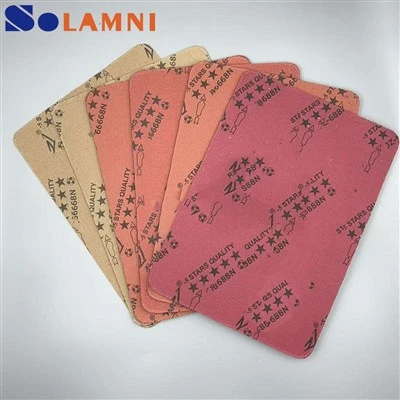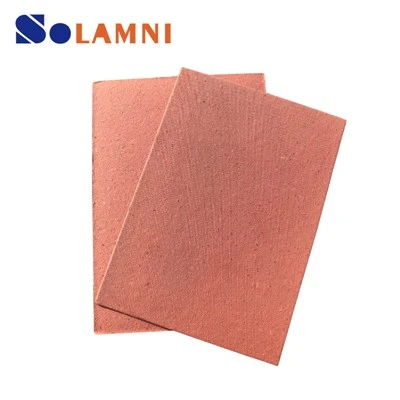


EVA (Ethylene-Vinyl Acetate) Insole Material is a closed-cell polymer foam used as the primary cushioning layer inside footwear engineered to reduce impact stress on joints during movement.
Product Parameters
|
Item |
Specification |
|
Material |
EVA (Ethylene-Vinyl Acetate) Foam |
|
Application |
Shoe insoles, sports footwear, casual shoes, work boots, orthotic footwear |
|
Size Range |
35#–46#; customized dimensions available |
|
Hardness |
Shore C 30°–70° (Tolerance ±2°) |
|
Density |
0.08–0.25 g/cm³ |
|
Thickness |
1.5–20 mm (Tolerance ±0.15 mm) |
|
Key Performance |
Lightweight, high elasticity, durable, water resistant, anti-slip, flexible |
|
Customization |
Customized color (Pantone matching), logo, size, hardness, density |
|
MOQ |
2,000 pairs |
|
Origin |
Quanzhou, Fujian, China |

Material Performance
Weight Reduction: Ultra-light 0.08–0.25 g/cm³ density lowers total shoe weight for fatigue-free daily wear.
High Rebound: 55% energy return rate (DIN 53512) prevents long-term insole sagging under repeated impact.
Closed-Cell Waterproofing: Non-porous structure blocks water absorption, preventing mold growth.
Cold-Weather Flexibility: Retains structural integrity after 100,000+ flex cycles at -5°C.
OEM Development
Logo & Surface Tooling: Thermal stamping, high-frequency embossing, and precision laser etching for brand graphics.
Color & Layering: Custom Pantone color matching for single-layer, dual-density, or marbleized sheets.
Prototyping: Physical material swatches and CNC-cut prototype insoles shipped within 3 to 5 business days.
Fabric Lamination: Solvent-free hot-melt bonding with mesh, velvet, leather, or anti-microbial linings.
Hardness Tuning: Tailored hardness profiles from 30° Asker C to rigid 70° Asker C.
Manufacturing Process
Raw Material Compounding: Knead virgin EVA resin, crosslinking agents, and pigments in Banbury mixers to maintain Shore C hardness tolerance within ±2 degrees.
Hot-Press Vulcanization: Foam compounded materials in hydraulic presses under PLC-controlled temperature.
Precision Sheet Skiving: Split foam blocks into specified sheet thicknesses using automatic splitters, maintaining strict thickness tolerances within ±0.15 mm.
Thermal Post-Curing: Pass skived sheets through multi-stage cooling tunnels to relieve internal stress.
Batch Quality Inspection: Test finished sheets for tear strength and resilience percentage before final packing.
Supply Capability
Flexible Minimum Orders: MOQ starts at 2,000 pairs for trial runs and specialized orthopedic orders.
Scalable Volume: Automated lines deliver 40,000+ pairs daily to support high-volume seasonal demand.
Standard Terms: 30% T/T deposit, 70% balance before shipment; FOB Xiamen / Quanzhou Port.
Export Packaging: Heavy-duty PE moisture barrier with reinforced woven outer bags or corrugated cartons.
Order Tracking: Weekly status reports covering raw batching, pressing, QC release, and container loading.
Certificates & Compliance
REACH & RoHS: Fully compliant with EU Regulation (EC) No 1907/2006 (zero SVHCs and heavy metals).
ISO 9001:2015: Certified quality management system ensuring full lot-level raw material traceability.
SATRA Benchmark: Tested against international SATRA specifications for tear resistance and flex endurance.
Facility Audits: Plant is fully prepared for third-party social compliance and technical audits (e.g., BSCI, SGS).


FAQ
Q: How do the weekly status reports work?
A: Weekly status reports covering batching, pressing, QC release, and container loading are automatically sent to the buyer's designated contact for confirmed bulk orders, requiring no separate request once the order enters production.
Q: Which Shore C hardness is recommended for orthotic footwear versus work boots?
A: Orthotic footwear typically uses 30°-40° Asker C for gentle cushioning and pressure redistribution, while work boots use 55°-70° Asker C for firmer support and long-term compression resistance.
Q: Can you share examples of past supply to sports footwear or work boot manufacturers?
A: Yes, this EVA material has been supplied to sports footwear and work boot manufacturers in Southeast Asia; specific references are available through the account manager under NDA.
Q: What happens if a batch fails the DIN abrasion or tensile test after arrival at the destination port?
A: Buyers must submit a claim with test evidence within 15 days of port arrival, after which a credit note or free replacement is issued within 10 business days.
Q: What peel strength does the solvent-free hot-melt fabric lamination achieve for mesh, velvet, or leather linings?
A: The hot-melt bonding achieves a minimum peel strength of 6 N/cm across mesh, velvet, and leather lining options, verified through repeated flex and wear-cycle testing to ensure the lining remains bonded.
Q: Does thermal shrinkage vary across the 30°–70° Shore C hardness range?
A: Softer formulations (30°–40°) experience ~1.5% linear shrinkage post-molding, while firmer grades (55°–70°) maintain <0.8% shrinkage.
Hot Tags: eva insole material, China eva insole material manufacturers, factory, eva footwear outsole material, eva footwear sole dimensions, eva footwear sole grip, eva shoe sole hardness, eva sole material, eva sole traction